




It’s another busy day in women’s basketball.
Florida star Liv McGill announced her commitment to transfer to Oklahoma State, with rumors of a seven-figure deal being the difference maker. Word on the street is that the Cowgirls may be in play for Iowa State superstar transfer Audi Crooks. Even towards the end of the portal season, women’s college basketball may have a couple of shocks and surprises for us yet.
In WNBA world, Chennedy Carter is reportedly heading to the Las Vegas Aces. Jackie Powell had that reporting first. It’s a fascinating fit for a polarizing player who is undoubtedly one of the best scorers in the women’s game. Tyler broke down that one a little earlier in the afternoon and you can find it below in our “In Case You Missed It” section.
Happy reading, watching and listening!

In Case You Missed It…
Tyler breaks down the Chennedy Carter deal and his thoughts on where that leaves Las Vegas…
And the podcast in video form here…
Rashard Hall’s 2026 WNBA Draft Grades…
With The WNBA Draft now complete, this class reflects a league increasingly shaped by fit, timing, and roster context as much as talent. From lottery swings to late-round value, each team approached the board with a clearer identity amid a busy offseason landscape.
Atlanta Dream — B
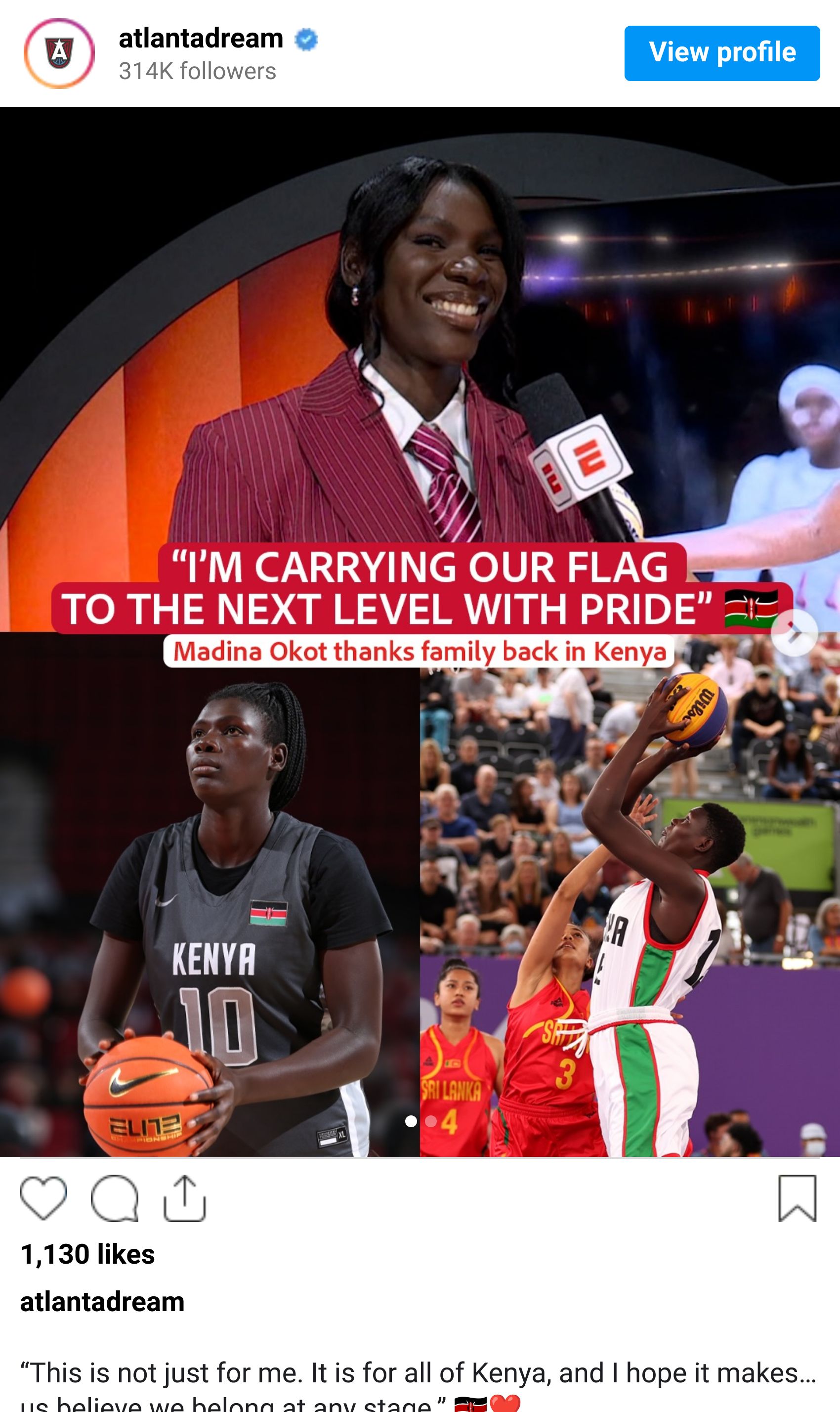
No. 13: Madina Okot, South Carolina, C, 6-6
No. 28: Indya Nivar, UNC, SG, 5-10
No. 43: Kejia Ran, China, SG, 5-8
Madina Okot at No. 13 made sense for Atlanta, especially after losing Brittney Griner in free agency. With Bri Jones as their primary interior presence at 6-foot-3, adding a 6-foot-6 center who can stretch the floor gives the Dream a different dimension and long-term frontcourt upside.
Indya Nivar adds athleticism and defensive potential to the backcourt, even if her shooting remains a work in progress. Kejia Ran brings international experience and a level of readiness that could help round out the depth.
Golden State Valkyries — C
No. 16: Marta Suarez, TCU, SF, 6-3 (via trade with Seattle)
No. 23: Ashlon Jackson, Duke, SG, 6-0
No. 38: Kokoro Tanaka, Japan, SG, 5-8
Golden State initially selected Flau’jae Johnson at No. 8 but pivoted, moving down to land Marta Suarez. It’s a move that leans into versatility, as Suarez brings positional flexibility and a polished feel from her experience with the Spanish National Team.
Ashlon Jackson adds shooting and perimeter defense, giving the Valkyries a guard who can space the floor while holding her own on the defensive end.
Kokoro Tanaka brings additional international experience and depth to the backcourt, rounding out a class that prioritizes versatility but leaves some questions about top-end impact.
Phoenix Mercury — D
No. 27: Ines Pitarch-Granel, France, SF, 6-0
No. 42: Eszter Ratkai, Hungary, SG, 5-9
Phoenix continues to navigate a roster still full of questions, and this draft reflected that uncertainty. The Mercury leaned international, adding two young prospects in Ines Pitarch-Granel and Eszter Ratkai, both of whom bring long-term upside but will likely take time to adjust to the WNBA level.
For now, both selections represent developmental swings rather than immediate impact pieces, with their contributions dependent on how quickly they adapt and grow within Phoenix’s system.
Chicago Sky — C+
No. 5: Gabriela Jaquez, UCLA, SG, 6-0
No. 21: Latasha Lattimore, Ole Miss, PF, 6-4
No. 32: Tonie Morgan, Kentucky, PG, 5-9
Gabriela Jaquez at No. 5 aligned with Chicago’s recent moves, as the roster has clearly trended toward adding versatility on the wing. While she brings a do-it-all skill set and strong intangibles, it does raise questions about how those minutes are distributed across similar profiles.
Latasha Lattimore stands out as a strong value addition. Her ability to stretch the floor and handle the ball at her size gives Chicago a different look in the frontcourt, with upside as a modern forward.
Tonie Morgan adds another option in the backcourt, and her selection puts more focus on how Chicago defines roles moving forward. Whether some of these guards shift off the ball or into combo roles will be something to watch.
Toronto Tempo — B
No. 6: Kiki Rice, UCLA, PG, 5-11
No. 22: Teonni Key, Kentucky, PF, 6-5
No. 26: Saffron Shiels, Australia, SG, 6-2
No. 36: Charlise Dunn, Davidson, SG, 6-1
Toronto has been one of the more active teams this offseason, with Sandy Brondello set to lead the franchise in its inaugural season and an already intriguing foundation in place.
Kiki Rice gives the Tempo a poised, high-IQ lead guard who can organize the offense and settle possessions. Teonni Key adds frontcourt versatility, with the ability to play inside and also handle the ball in space when needed.
Shiels and Dunn both bring size and shooting on the wing, with their Australian ties adding a layer of familiarity within Brondello’s coaching background, potentially easing their transition into the professional game.
Indiana Fever — B+
No. 10: Raven Johnson, South Carolina, PG, 5-9
No. 25: Justine Pissott, Vanderbilt, SG, 6-4
No. 40: Jessica Timmons, Alabama, SG, 5-8
Indiana selecting Raven Johnson at No. 10 leans into IQ, defense, and winning impact. She’s a guard who can step in early and make a difference on that end of the floor, setting tone and organizing possessions. With Tyasha Harris now in the mix, it’ll be worth watching how the two are used together, especially as both have shown growth offensively.
Justine Pissott brings size and perimeter shooting, giving the Fever a wing who can stretch the floor. Jessica Timmons adds another scoring option in the backcourt, playing with control and a smooth offensive approach.
Notably, all three selections come from the SEC, adding a level of familiarity with high-level competition.
Connecticut Sun — B-
No. 12: Nell Angloma, France, SF, 5-11
No. 15: Gianna Kneepkens, UCLA, SG, 5-11
No. 18: Charlisse Leger-Walker, UCLA, PG, 5-10
No. 37: Taylor Bigby, TCU, SG, 6-1 (via trade with Portland)
Nell Angloma was one of the picks I had landing with Connecticut in my mock. She stood out as one of the more intriguing French prospects. Her athleticism and two-way activity align well with the Sun’s identity and give them a wing who can contribute on both ends.
Gianna Kneepkens adds much-needed perimeter shooting after narrowly missing a 50-40-90 season at UCLA. Her spacing and efficiency should translate quickly at the next level.
Charlisse Leger-Walker was a more surprising addition, given Connecticut’s current guard situation, which makes her role something to monitor.
Trading for Taylor Bigby was a strong move. She brings size, versatility, and shooting on the wing, offering a similar mold of production as a multi-positional guard who can stretch the floor.

Las Vegas Aces — C+
No. 29: Janiah Barker, Tennessee, PF, 6-4
No. 44: Jordan Obi, Kentucky, SG, 6-1
For where they were picking, Las Vegas made solid use of their selections, adding depth to a roster that already returns its championship core.
Janiah Barker at No. 29 stands out as one of the better value picks in this range. She was widely projected to go earlier, and her blend of size, athleticism, and offensive versatility gives the Aces another forward with upside.
Jordan Obi adds backcourt depth, bringing a steady presence and additional scoring options behind an already established guard rotation.
Minnesota Lynx — A
No. 2: Olivia Miles, TCU, PG, 5-10
No. 45: Lani White, Utah, SG, 5-11
Olivia Miles was a correct projection in my final mock, landing exactly where Minnesota selected her. The Lynx addressed a long-standing need at point guard, something they’ve lacked since the Lindsay Whalen era. Miles brings elite vision, passing creativity, and the ability to control tempo as a true floor general. Her collegiate production, including multiple triple-doubles, reflected the all-around impact she projects at the next level.
Lani White adds depth on the wing and perimeter shooting, having knocked down 39.5% of her career threes, giving Minnesota another spacing option behind its core rotation.
Dallas Wings — A+
No. 1: Azzi Fudd, UConn, SG, 5-11
No. 31: Zee Spearman, Tennessee, PF, 6-4
Everything Dallas did leading up to the draft pointed to Azzi Fudd as the clear choice at No. 1, and they followed through. She stands out as one of the most efficient and dangerous shooters in the class, with elite off-ball movement and the ability to shift defenses instantly.
Zee Spearman adds to the team’s frontcourt depth, giving Dallas another interior option to develop alongside an already reloaded group.
Portland Fire — C-
No. 7: Iyana Martin, Spain, PG, 5-9
No. 17: Frieda Buhner, Germany, PF, 6-1
No. 33: Serah Williams, UConn, C, 6-4 (via trade with Connecticut)
Portland opened its draft by selecting Iyana Martin, though she will not join the team this season. The Fire stayed international with Frieda Buhner, while also adding Serah Williams to strengthen the frontcourt through a trade with Connecticut.
The bigger question now is how this group ultimately fits together, and how the mix of young talent and international experience translates once they begin playing within the same system.
Los Angeles Sparks — A-
No. 20: Ta'Niya Latson, South Carolina, SG, 5-8
No. 24: Chance Gray, Ohio State, SG, 5-9
No. 35: Amelia Hassett, Kentucky, PF, 6-4
Ta’Niya Latson at No. 20 stands out as one of the best value picks in the draft. A projected first-round talent, she gives the Sparks a scoring guard who produced at a high level throughout her college career, including leading the nation in scoring two seasons ago. Her time at South Carolina also showed growth in playmaking and defense, adding more balance to her game. Learning behind Kelsey Plum and Ariel Atkins puts her in a strong position to develop.
Chance Gray and Amelia Hassett reinforce a clear priority on shooting. Gray knocked down 40.5% from three, while Hassett shot 36.1%, giving Los Angeles added spacing and depth across the perimeter and frontcourt.
Seattle Storm — A
No. 3: Awa Fam Thiam, Spain, C, 6-4
No. 8: Flau’jae Johnson, SG, 5-10, LSU (via trade with Golden State)
No. 14: Taina Mair, Duke, PG, 5-9
No. 39: Grace VanSlooten, Michigan State, PF, 6-3
Seattle came away with one of the more complete drafts following significant coaching changes and roster turnover in free agency. Awa Fam landing here matched my final mock, and she adds another layer of versatility to an already flexible frontcourt. Concerns about how she fits alongside Malonga and Magbegor miss the point — each player offers a different layer of versatility, reinforcing a modern, positionless identity.
Trading for Flau’jae Johnson brings a dynamic two-way presence on the wing who can contribute without needing high usage.
Taina Mair was a surprisingly logical add given how the point guard board unfolded, with Seattle prioritizing stability and depth at the position.
Grace VanSlooten adds interior scoring and physicality, though continued development as a perimeter shooter will determine her long-term impact.
Washington Mystics — A+
No. 4: Lauren Betts, UCLA, C, 6-7
No. 9: Angela Dugalic, UCLA, PF, 6-4
No. 11: Cotie McMahon, Ole Miss, SF, 6-0
No. 19: Cassandre Prosper, Notre Dame, SG, 6-3
No. 30: Darianna Littlepage-Buggs, Baylor, PF, 6-1
No. 34: Rori Harmon, Texas, PG, 5-6
Washington made one of the more unconventional pre-draft decisions, moving on from its general manager just days before the draft and elevating head coach Sydney Johnson into basketball operations. On paper, it invited questions. On draft night, it delivered clarity.
I had Betts and Dugalic correctly projected here, and the top of this draft class validated a theme that often gets overlooked: this group was driven more by fit and role projection than raw statistical dominance. That approach isn’t a flaw — it’s a strategy.
Betts gives Washington a rare interior anchor at 6-7, immediately changing how they can defend and operate in the paint. Dugalic, her former UCLA teammate, complements her with a more skilled offensive layer as a pick-and-pop forward who can also play inside.
McMahon brings physical scoring versatility and downhill pressure. Prosper adds size on the perimeter with defensive switchability and spot-up shooting. Littlepage-Buggs strengthens the frontcourt rotation with elite rebounding instincts, while Harmon closes things out as a steady, control-oriented lead guard.
The result is a class that doesn’t just add talent — it builds out a clear identity.
@laurenmariebetts HEY MYSTICS
What we’re reading today…
I found this piece by Frankie De La Cretaz (who runs the wonderful Out of Your League newsletter) to be really thought provoking. As a straight guy covering women’s basketball, there’s a bit of a blind spot I have when it comes to writing about the LGBTQ+ dynamics that exist in the game. It’s not born of ignorance so much as it is that it just isn’t my lived experience and I think it’s important to defer to those that do. I really appreciate writers like Frankie and others within the community who allow us the chance to get a better understanding of the world and about subjects like these in particular.
Personally, I was curious why the relationship component of Paige Bueckers and Azzi Fudd wasn’t necessarily seen as a big part of the draft day story. It just, in my eyes, wasn’t really a circumstance I had ever considered especially coming from the world of men’s sports. After reading Frankie’s piece, I have a much better grasp on the obvious: they’re professional freaking athletes. They’re going to be fine. It’s a word with your time and a subscription worth the price of admission.

In partnership with Beehiiv’s Boost Network, we’re excited to give our recommendation stamp of approval to two national sports newsletters we personally enjoy. Awful Announcing covers sports media, and is a great place to take your first step into the world of sports business. Sports! with Rodger Sherman is the platonic ideal of a sports newsletter. All the right stuff from just the right angles, with the personal touch of one of the greatest of the SB Nation Generation. Take a look!


And hey, while you’re here…why not subscribe to us if you haven’t already!

